Why Technical SEO Still Matters in 2026
Search engine optimization has changed dramatically over the past few years. Artificial intelligence, voice search, zero-click results, and AI-generated summaries are transforming how people discover content online. Despite these changes, technical SEO remains one of the most important foundations of a successful website.
Many website owners focus heavily on publishing content and building backlinks while ignoring the technical side of SEO. However, even the best content can struggle to rank if a website is slow, difficult to crawl, or poorly structured. In 2026, search engines are smarter than ever, but they still rely on technical signals to understand and rank websites effectively.
What Is Technical SEO?
Technical SEO is the process of optimizing a website’s technical structure so search engines can easily crawl, index, and rank its pages. Unlike content SEO, which focuses mainly on keywords and content quality, technical SEO improves the backend elements of a website that affect performance and accessibility. Important components of technical SEO include website speed, mobile optimization, structured data, XML sitemaps, HTTPS security, internal linking, crawlability, canonical tags, and Core Web Vitals. These elements help search engines like Google understand website content more effectively and provide users with a better browsing experience. A technically optimized website loads faster, works smoothly across devices, and allows search engine bots to navigate pages efficiently. As competition online continues to increase, technical SEO has become essential for improving search rankings, increasing organic traffic, and building long-term website credibility.
Website Speed Is More Important Than Ever
Website speed has become one of the most important factors in modern SEO and web development because users expect websites to load quickly and operate smoothly. Studies show that visitors often leave a website within seconds if pages take too long to load, which increases bounce rates and reduces engagement. Search engines like Google also consider page speed a ranking factor because it directly affects user experience. A slow website can negatively impact conversions, customer satisfaction, and search visibility. In 2026, speed optimization involves more than just compressing images; developers now use advanced techniques such as lazy loading, efficient JavaScript delivery, modern image formats like WebP, content delivery networks (CDNs), server-side rendering, and edge caching to improve performance. Core Web Vitals continue to measure important aspects of website usability, including loading speed, visual stability, and responsiveness. Websites that deliver faster and more stable experiences are more likely to achieve better rankings, attract more visitors, and maintain higher user retention rates.
Mobile-First Indexing Is the Standard
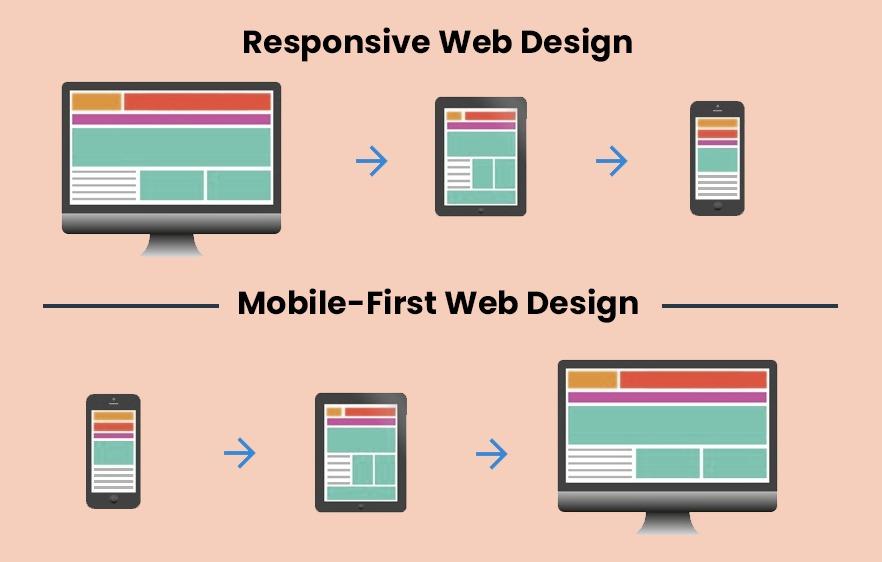
Mobile-first indexing has become a standard practice in modern SEO because most users now access websites through smartphones and tablets instead of desktop computers. Search engines like Google primarily use the mobile version of a website for indexing and ranking, making mobile optimization more important than ever. A website that performs well on desktop but poorly on mobile devices can lose significant traffic, lower search rankings, and reduce user engagement. Responsive design is now essential for providing a smooth experience across different screen sizes and devices. Important aspects of mobile optimization include responsive layouts, readable font sizes, touch-friendly navigation, fast loading speeds, and minimal intrusive popups. Website owners should regularly test their websites on multiple devices to ensure consistent performance, better usability, and improved search visibility.
Structured Data Helps Search Engines Understand Content
Structured data, also known as schema markup, is an important part of technical SEO that helps search engines better understand the content and purpose of a webpage. By adding structured data to a website, businesses and website owners can provide additional context about their content, making it easier for search engines like Google to display information more effectively in search results. Structured data can improve visibility by generating rich snippets, FAQ sections, product ratings, event details, recipe cards, and business information directly within search pages. These enhanced search features can attract more user attention and increase click-through rates. As AI-driven search technologies continue to evolve, structured data is becoming even more valuable because it helps search engines accurately interpret website content and deliver more relevant search experiences. Websites that clearly organize and communicate their information through schema markup have a greater chance of appearing in advanced and enhanced search results.
Crawlability and Indexing Remain Critical
Crawlability and indexing are essential components of technical SEO because search engines rely on automated bots to discover, analyze, and store website pages in their search index. If search engines cannot properly access or understand certain pages, those pages may fail to appear in search results, reducing a website’s visibility and organic traffic. Common technical SEO issues include broken links, incorrect robots.txt configurations, duplicate content, redirect loops, missing XML sitemaps, and noindex errors, all of which can negatively affect website performance and rankings. Regular technical SEO audits help identify and fix these problems before they impact user experience or search engine visibility. Tools such as Google Search Console, Screaming Frog, and Ahrefs are widely used by SEO professionals and developers to monitor website health, improve crawlability, and ensure proper indexing of important webpages.
HTTPS and Website Security Build Trust
Website security is an important aspect of technical SEO because search engines prioritize websites that provide safe and secure browsing experiences for users. Search engines like Google favor secure websites in search rankings because users expect their personal information and online activity to be protected. HTTPS encryption plays a major role in securing data transferred between the website and its visitors, helping to build trust and credibility. Websites without HTTPS protection may display browser security warnings that discourage users from visiting the site. Important security practices include using SSL certificates, choosing secure hosting services, performing regular software updates, enabling firewall protection, and conducting malware scans to prevent cyber threats. A secure website not only improves SEO performance and search visibility but also protects business reputation, customer trust, and sensitive user information.
AI Search Does Not Replace Technical SEO
Many people believe that AI-generated search results will reduce the importance of SEO, but in reality, technical SEO is becoming even more essential in the modern digital landscape. AI-powered search engines still depend heavily on structured website data, fast-loading pages, accurate indexing, clear site architecture, and reliable content delivery to understand and rank webpages effectively. Search engines like Google use advanced AI systems to analyze website quality, user experience, and content relevance, making technical optimization a critical factor for online visibility. Websites with strong technical foundations are easier for AI systems to crawl, interpret, and reference in search results and AI-generated summaries. In addition, AI-driven search features often prioritize authoritative and technically optimized websites because they provide accurate, accessible, and well-structured information. As artificial intelligence continues to shape the future of search, businesses and website owners must focus on technical SEO to remain competitive and maintain strong organic search performance.
The Future of Technical SEO
Technical SEO will continue to evolve alongside modern web technologies as search engines become more advanced and user expectations continue to grow. Future trends in technical SEO are expected to focus heavily on user experience metrics, AI-assisted website optimization, voice-search optimization, advanced structured data implementation, faster web frameworks, and improved accessibility standards. Search engines like Google are increasingly prioritizing websites that provide fast, secure, accessible, and user-friendly experiences across all devices. Artificial intelligence is also playing a larger role in analyzing website quality, making technical optimization more important for maintaining strong search visibility. In addition, voice search and AI-generated search experiences require websites to organize content clearly and deliver information efficiently. Businesses and website owners who invest in technical SEO today will be better prepared to adapt to future algorithm updates, changing search technologies, and growing online competition.
Conclusion
Technical SEO remains one of the most valuable long-term investments for any website because it helps search engines properly crawl, understand, and rank online content. While high-quality content and backlinks are important parts of SEO, technical optimization provides the foundation that allows websites to perform effectively in search results. In 2026, website success depends heavily on delivering fast, secure, mobile-friendly, and user-focused experiences across all devices. Search engines like Google continue to prioritize websites with strong technical performance, including fast loading speeds, secure HTTPS connections, responsive design, and efficient site architecture. For businesses, bloggers, and developers, ignoring technical SEO is no longer an option because online competition continues to grow rapidly. A technically optimized website improves user experience, increases organic traffic, supports better search rankings, and creates a strong foundation for long-term digital growth and online visibility.